Anxiety Symptoms in Adults: When Worry Starts Affecting Daily Life
Worry is a normal part of life. However, when anxiety symptoms in adults become persistent, difficult to control, physically uncomfortable, or disruptive to everyday responsibilities, professional evaluation may help clarify what is happening.
Anxiety can affect much more than thoughts. It may change sleep, concentration, energy, physical comfort, relationships, and the way someone approaches ordinary situations.
Some adults recognize anxiety because they feel nervous or worried. Others notice the physical effects first: muscle tension, headaches, stomach discomfort, rapid heartbeat, restlessness, or difficulty sleeping.
Anxiety can also become part of a daily pattern. A person may spend increasing amounts of time anticipating problems, seeking reassurance, replaying conversations, avoiding situations, or feeling unable to relax even when there is no immediate danger.
What is anxiety?
Anxiety is the body's emotional and physical response to perceived threat, uncertainty, or stress. Temporary anxiety can be useful because it can increase alertness and motivate someone to prepare for an important situation.
The concern becomes different when worry or fear is excessive, persists even when the immediate stressor has passed, becomes difficult to control, or interferes with work, relationships, sleep, or other parts of daily life.
What are common anxiety symptoms in adults?
Anxiety symptoms in adults may involve thoughts, emotions, behavior, and physical sensations. The exact pattern varies between individuals and between different anxiety disorders.
Behavioral changes may also become noticeable. Someone may begin avoiding situations, postponing decisions, checking things repeatedly, or structuring daily life around preventing anxiety.
- Excessive worry about everyday responsibilities.
- Difficulty stopping or controlling worry.
- Feeling restless or constantly “on edge.”
- Irritability or reduced patience.
- Trouble concentrating or mentally switching off.
- Difficulty falling asleep or staying asleep.
- Fatigue despite feeling mentally activated.
- Muscle tension, headaches, or physical discomfort.
- Avoiding situations because of anticipated anxiety.
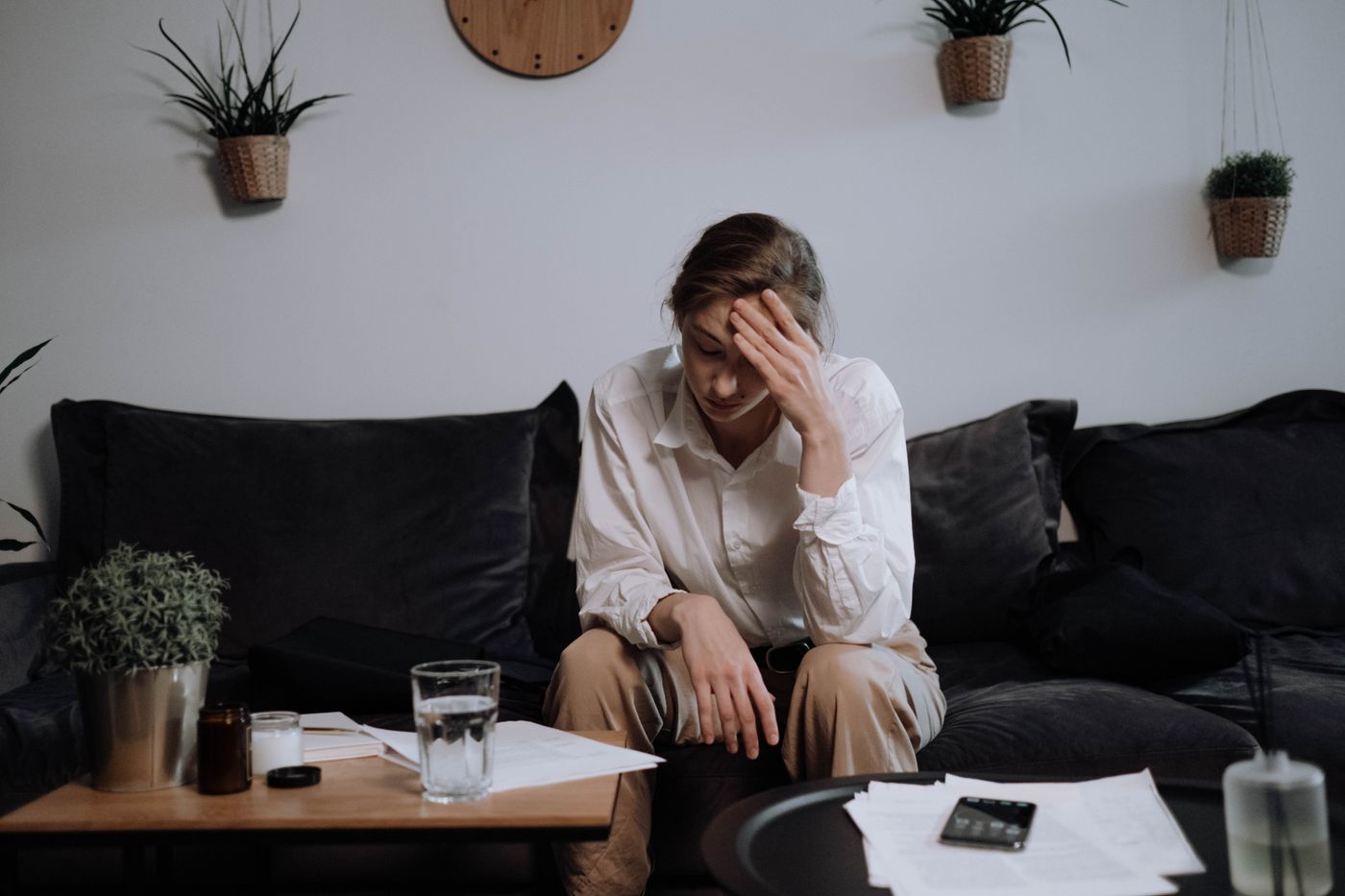
Can anxiety cause physical symptoms?
Yes. Anxiety activates systems in the body that prepare a person to respond to perceived threat. As a result, anxiety can produce very real physical sensations.
People may experience muscle tension, headaches, sweating, trembling, stomach discomfort, dizziness, rapid breathing, a racing heart, fatigue, or difficulty sleeping.
New, severe, or unexplained physical symptoms should not automatically be attributed to anxiety. Urgent symptoms such as severe chest pain, fainting, or significant difficulty breathing require appropriate medical evaluation.
What is the difference between normal stress and problematic anxiety?
Stress usually has an identifiable trigger, such as a deadline, financial concern, relationship conflict, or major life change. The emotional response may decrease after the situation improves.
Anxiety can continue even when there is no immediate problem to solve. It may involve persistent apprehension, repeated “what if” thinking, physical tension, or difficulty feeling settled despite reassurance.
Consider whether worry has become difficult to control, whether it repeatedly returns, and whether it is changing sleep, productivity, relationships, decision-making, concentration, or everyday activities.
When should an adult seek help for anxiety?
Consider professional support when anxiety becomes persistent, increasingly difficult to manage, or begins shaping how you live your life.
- Worry feels excessive or difficult to control.
- Anxiety interferes with sleep or causes ongoing fatigue.
- Concentration problems begin affecting work or responsibilities.
- Physical tension or nervousness is present much of the time.
- Important activities are avoided because of anxiety.
- Relationships are affected by reassurance-seeking, irritability, or withdrawal.
- Panic-like symptoms or episodes of intense fear are occurring.
- Alcohol, substances, or other behaviors are increasingly used to cope.
- Your usual coping strategies no longer feel sufficient.
You do not need to wait until symptoms become overwhelming. Earlier evaluation may make it easier to understand the pattern and discuss appropriate treatment options.
What happens during a psychiatric evaluation for anxiety?
A psychiatric evaluation looks beyond one symptom. The goal is to understand the pattern of anxiety, possible contributing factors, how symptoms affect daily life, and whether another condition may be involved.
Learn more about Ablepath psychiatric services and the mental health conditions we evaluate and treat .
Can other conditions look like anxiety?
Yes. Restlessness, poor concentration, irritability, sleep difficulties, physical tension, and a racing mind can occur in several psychiatric or medical situations.
- Depression.
- ADHD.
- Trauma-related conditions.
- Panic disorder.
- Sleep disorders.
- Substance or stimulant use.
- Medication side effects.
- Thyroid or other medical conditions.
- High levels of ongoing stress.
Anxiety can also occur alongside another condition. This is one reason a careful evaluation is useful when symptoms are persistent or difficult to distinguish.
If low mood, loss of interest, fatigue, or withdrawal are also present, you may find our article on depression symptoms in adults helpful.

How can anxiety be treated?
Anxiety disorders are treatable. The appropriate approach depends on the type and severity of symptoms, health history, other conditions, previous treatment, personal preferences, and goals.
Cognitive behavioral therapy is commonly used for generalized anxiety disorder, while medications may also be appropriate for some patients. Treatment should be individualized and discussed with an appropriate healthcare professional.
Frequently asked questions about anxiety
Persistent anxiety deserves thoughtful attention.
If worry, tension, sleep problems, concentration difficulties, or avoidance are beginning to affect everyday life, an individualized psychiatric evaluation can help clarify appropriate next steps.